
Letter to the Editor
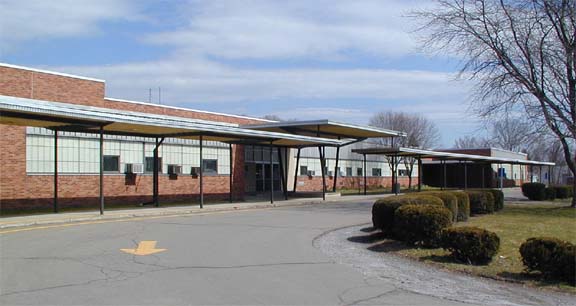
Tioga County first began to seriously consider building a new office facility more than seven years ago. The primary objective was to merge all county operations in one central location. At the time it seemed most logical to build in the county owned industrial park. The land was cheap because they already owned it, and the facility would be located right next to the Tioga County Department of Social Services and the new Sheriff's office, which had just been moved out of the Village of Owego. This all seemed logical, but it certainly was not possible.
By the time the plan to consolidate had solidified a few years had gone by and some Village of Owego merchants and residents realized that allowing the Sheriff to relocate out of the village was a mistake. Many businesses had experienced a drop in revenue and some stores had even closed. People knew that allowing the county to relocate over four hundred county employees to the industrial park would have had an even greater negative economic impact on the remaining businesses within the village. The residents and merchants worked hard and lobbied to have the county build the new facility within the village.
The county legislators reluctantly agreed and settled on a large undeveloped plot of land overlooking Interstate 17 on the south side of the Susquehanna River. Funny though, the village of Owego business district is on the North side of the river. It appeared as though county officials were making a deliberate effort to distance themselves from village businesses and politics. They suggested that the real motivation for selecting this particular site for the new county office building was to increase visibility and promote the county as modern and a good place to do business.
The residents and merchants rallied again. Merchants argued that the facility was too far from the existing village business district and would do nothing to bolster their already sagging bottom line. Residents expressed concerns that the county was developing one of the few prime pieces of commercial property left in the village, a legitimate concern for the residents of a village in which a significant number of taxable parcels are exempt from paying property tax. After spending about a half million dollars to purchase and start developing the new site, the politicians conceded and agreed to reconsider building downtown.
This brings us to consider the Main Street site. This plan would include demolishing as many as seventeen homes and the old school in which many county offices are currently located. In their place it is proposed that a new four-story, multi million dollar building be constructed. But again, there are problems. Now the merchants, many of whom don't live in the village appear to be happy since the new facility will be built in close proximity to their businesses, but local residents have voiced other concerns about the proposed construction at recent public meetings which have been held.
Many people do not want the county to do anything that would effectively reduce the tax base and increase property taxes for village residents. Some are of the opinion that a modern, four-story office building built in the middle of a 200-year-old village would detract from the historical character of the surrounding homes. Most of the families that live in the houses that will be torn down do not want to move. For these residents it is a quality of life issue. They feel no amount of money could replace the relationships they have developed and nurtured with neighbors and the local community. Still others contend that the building plan does not effectively address a variety of very serious issues.
The building plans call for raising the grade at the existing site more than six feet. This would create potential problems for flooding of surrounding homes, many of which are already fifteen feet below the grade of the existing facility. Some say it just isn't feasible for county employees to continue to work in a building that has been proclaimed as structurally unsafe while a massive, four story tall building is constructed right next to the older existing structure, as the current plan provides. Other potential problems with this site have to do with insufficient parking, traffic flow issues, and it goes on and on.
It's time for the county legislature to recognize that the recent
economic down turn
and dramatic budget increases that are proposed for this year and next
cast this project in a whole new light. Maybe they should scrap the plans
for building a brand-new facility. Maybe the tobacco settlement money that
would be used to finance the construction of the new building should be
spent on offsetting the ever increasing costs associated with providing
the poor, sick and elderly within our community with healthcare instead
of funding grandiose multi million dollar capital improvement projects.
Maybe the county should simply consider purchasing the Junior High School
on Elm Street for conversion to professional office space.
It's apparent that purchasing old schools for conversion to office space is economically feasible. We've been doing it for years. With the addition of movable partitions each classroom could easily, and cost effectively be converted into four offices. Moving to this site would keep the county jobs in the village, provide for plenty of parking, and would not remove any more property from the existing tax base. The county would have plenty of room to consolidate services and expand on this twenty plus acre site for many years too come. The county could even move their maintenance offices to the old bus garage located next to the school from another village property which they recently purchased and renovated at a cost of approximately $250,000.00 (old Home Central building on Temple Street).
Further, the existing school could be leased and would generate income to help offset any costs associated with building a new facility, if needed, at the Elm Street site. This alternative would allow the county to get a number of properties back on the tax roles within the village and also provide the county legislators with plenty of time to reconsider how they might better utilize the two old schools which currently house the majority of county offices. This alternative is also the least controversial of all options that have been considered to date and goes the furthest toward satisfying the needs of all of the parties involved. Sounds like a no brainer to me.
Mathew Laba
Owego, NY
The Community Press